
Probable causes
Alligatoring in protective coatings is a specific type of failure characterized by a pattern of cracking that resembles the rough, scaly skin of an alligator. This pattern typically includes a series of small, interconnected cracks. Causes can include incompatible layers, if a rigid coating is applied over a more flexible undercoat, the differing expansion and contraction rates can cause the upper layer to crack. Excessive thickness, applying a coat too thickly can cause the surface to dry and skin over before the underlying layers have had a chance to dry properly.
Prevention
Use compatible materials, ensure that all layers of paint or coating are compatible with each other. Different types of coatings may have different expansion and contraction rates or chemical interactions, which can lead to alligatoring. Apply coating at the correct thickness, apply material at correct environmental conditions, do not apply during high temperatures.
Repair
The repair will depend on the extent of the damage. Remove damaged coating and re-apply a suitable compatible primer or topcoat using correct application procedures.
Probable causes
Moisture trapped beneath the coating is one of the most frequent causes of blistering. This can happen if the substrate was not adequately dried before the application of the coating, or if the coating itself traps moisture evaporating from the substrate. Blistering can be caused by solvent or air entrapment, coating over contaminants, chemical reactions, and osmotic pressure. Osmotic blisters, when there is a concentration gradient (such as salts or other solutes under the coating compared to the outside environment), osmotic pressure can draw moisture through the semi-permeable coating, accumulating under the coating and forming blisters.
Prevention
To prevent blistering in protective coatings, ensure thorough and appropriate surface preparation, control application conditions like temperature and humidity, and select the right types of coatings and application thicknesses. Test for soluble salts prior to coating the substrate.
Repair
The repair will depend on the type of blisters and size. Understanding why blistering occurred is crucial to prevent future issues. Consider factors such as moisture, improper curing, or solvent entrapment. Remove the blisters, thoroughly clean the area, and ensure the area is dry and free from contamination and re-apply a compatible coating system under the correct environmental conditions. In severe cases the coating may need to be completely removed and re-applied.
Probable causes
Chalking is a common degradation phenomenon in coatings, particularly seen in paints and protective finishes exposed to the outdoors. It occurs when the binding agents in the coating break down due to environmental factors, primarily UV radiation from the sun. This degradation leads to the formation of a loose, powdery layer on the surface of the coating. Epoxy coatings are susceptible to chalking due to UV degradation, which breaks down the chemical bonds in the resin, leading to a loss of gloss and the formation of a powdery surface.
Prevention
Choosing high-quality paints specifically formulated for high UV exposure environments can reduce the rate of chalking. Select coatings that are specifically formulated to resist UV degradation. Coatings that include UV stabilizers or are inherently UV-resistant are preferable. Polyurethane and fluoropolymer and acrylic coatings are excellent choices due to their high UV stability.
Repair
The loose powdery deposit can be removed by high pressure water washing, scrubbing, and wiping. Once the surface is clean apply a UV resistant topcoat.
Probable causes
Over time, exposure to environmental conditions such as UV radiation, temperature fluctuations, and moisture can cause coatings to lose elasticity and become brittle. This loss of flexibility makes them more susceptible to cracking. If the coating does not cure properly, it can lead to internal stresses. Applying the coating too thickly can lead to uneven drying and curing. Different materials expand and contract at different rates due to temperature changes. If a coating cannot accommodate the movement of the substrate, it may crack.
Prevention
Select correct coating systems that are flexible and less prone to cracking and apply at recommended coating thickness.
Repair
Evaluate the extent of the damage and remove all affected coating. Reapply under recommended environmental conditions and correct coating thickness.
Probable causes
Delamination in protective coatings refers to the separation or peeling away of the coating layers from the substrate or between the layers themselves. This can be caused by inadequate surface preparation, moisture trapped beneath the coating, incompatible coatings, exceeding overcoat times, improper curing.
Prevention
To prevent delamination, it is crucial to ensure thorough and appropriate surface preparation, choose compatible coating systems, control application conditions, and follow proper application procedures.
Repair
Depending on extent, remove the delaminated coating, abrade surface correctly and apply suitable compatible coating.
Probable causes
The "orange peel effect" in protective coatings refers to a textured imperfection in the surface of a coating that resembles the surface of an orange peel. This rough texture can affect the aesthetic appeal of the finish. This can be caused by improper application technique, incorrect spray gun setup, fast drying solvents, improper paint viscosity.
Prevention
Using correct application techniques, correct viscosity, and suitable materials.
Repair
For surfaces where an aesthetic finish is crucial, abrade the coating, clean and reapply as per the correct application procedure.
Probable causes
Pinholes in protective coatings are small holes or voids that appear on the surface of the coating after application. Can be caused by solvent or air entrapment, incorrect solvents, incorrect application techniques, coating over porous substrates and surface contamination.
Prevention
Conduct adequate and correct surface preparation, ensure correct application procedures are being followed, use correct recommended solvents, apply coating in layers or use a mist coat if required.
Repair
Remove any contaminants such as dirt, grease, loose particles then abrade and clean the area for the application of a compatible topcoat.
Probable causes
Runs and sags in protective coatings are common application defects that can affect the appearance and performance of the coating. Causes include excessive coating application, excessive use of thinners, incorrect spray technique, pressure and equipment.
Prevention
Use correct application equipment and techniques and apply to the recommended dry film thickness.
Repair
Brush out runs while the coating is still wet. When the coating has dried sand back the defects and either spot repair or recoat complete area if required.
Probable causes
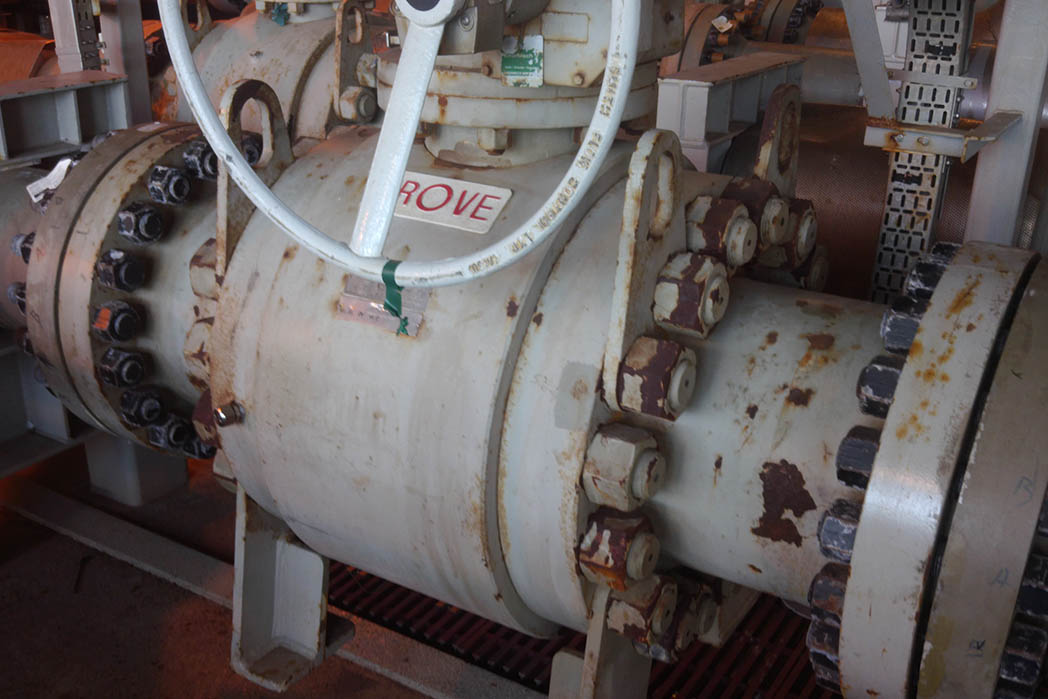
Rust spotting on protective coatings often signals underlying issues related to corrosion processes affecting the substrate material, typically metal, under the coating. Causes can include substrate corrosion, damaged coating, improper surface preparation, pinholes or porosity within the coating, age and deterioration, low film thickness.
Prevention
Conduct adequate and correct surface preparation, use correct coatings suitable for the substrate, apply correct coating thickness, prevent coating contamination.
Repair
Remove the corrosion using adequate surface preparation required and either spot repair or recoat entire surface using compatible coating.
Probable causes
Undercutting is a type of corrosion that occurs underneath the coating, often beginning at a defect or damaged site on the coated surface. Caused by inadequate surface preparation leading to lack of adhesion, coating damage, incorrect coating thickness, edge exposure, harsh environments.
Prevention
Ensure proper surface preparation is carried out, select correct coating systems, ensure full coverage pay particular attention to edges and hard to reach areas.
Repair
Remove the corrosion using adequate surface preparation methods, spot repair if required. Choose a coating that matches the existing system or opt for a more suitable coating based on the environmental conditions and substrate. Apply the coating according to the manufacturer’s instructions, ensuring proper thickness and even coverage.